
The psychology of risk Understanding the allure of gambling in casinos
The Thrill of Uncertainty
The allure of gambling in casinos often stems from the thrill of uncertainty. Gamblers are drawn to the unpredictable nature of games, where the outcome can change in an instant. This element of risk invokes a sense of excitement that many find hard to resist. When players place their bets, they engage with a high-stakes environment that stimulates both adrenaline and dopamine release, enhancing the overall experience. In this context, many players may seek entertainment such as online casino slots, which further amplifies the excitement.
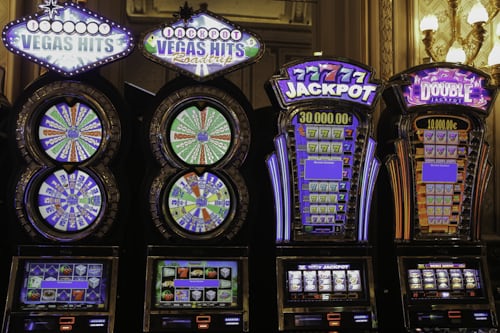
This rush associated with risk-taking can lead to a psychological state known as “flow,” where individuals become fully immersed in the experience. The unpredictability of outcomes not only entertains but also provides a sense of empowerment. Players feel in control as they weigh their options, deciding how much to bet, despite the inherent risks involved.
Social Dynamics and Peer Influence
Gambling often serves as a social activity, where individuals gather in casinos for entertainment and camaraderie. The social dynamics play a significant role in amplifying the allure of gambling. People often experience a heightened sense of excitement when sharing their wins and losses with others. This collective experience can create a feedback loop where the thrill of risk is magnified by social engagement.
Moreover, the presence of peers can lead to competitive behaviors. Many gamblers may feel pressured to take greater risks to keep up with their friends or impress others. This social aspect not only influences individual decisions but also contributes to a culture of risk-taking that thrives within casino walls, making the experience even more enticing.
The Role of Technology in Modern Gambling
Advancements in technology have significantly transformed the landscape of gambling. Online casinos and mobile gaming apps have made it more convenient for players to engage in gambling activities from anywhere. This accessibility increases the frequency of gambling behavior, as players can easily place bets at their convenience.
Additionally, technology enhances the immersive experience of gambling. High-definition graphics, engaging sound effects, and interactive gameplay create an environment that captivates players’ attention. These innovations not only draw players in but also feed into their desire for risk, making them more likely to gamble for extended periods.
Psychological Triggers and Behavioral Economics
Cognitive biases and psychological triggers play crucial roles in the allure of gambling. Concepts such as loss aversion—where individuals prefer to avoid losses rather than acquire equivalent gains—can lead to increased risk-taking behaviors in gamblers. When players experience losses, they may double down on their bets to recover, often leading to greater losses.
Behavioral economics also highlights the concept of “the gambler’s fallacy,” where individuals believe that past outcomes influence future probabilities. This misconception can lead to irrational decision-making, driving gamblers to take risks they might otherwise avoid. Understanding these psychological underpinnings is vital to grasping why the allure of gambling remains potent in casinos.

Engaging with the Casino Experience
The unique environment of casinos is meticulously designed to enhance the gambling experience. From the layout of the gaming floor to the sounds and lights, everything is intended to create an atmosphere that encourages risk-taking. Casinos often utilize techniques such as free drinks and rewards programs to keep players engaged and coming back for more.
Moreover, the absence of clocks and windows contributes to a disorientation that can lead to prolonged gambling sessions. This carefully crafted environment reinforces the psychological elements of risk, making it challenging for players to step away. Understanding the casino’s role in this dynamic can shed light on why individuals find themselves captivated by the allure of gambling.